For many NAIT students, coffee is part of the daily routine. It is a quick stop before class, a late-night study companion, or simply an excuse to get a break from the books.
For NAIT Students’ Association VP External Robin Murillo, however, coffee is much more than a caffeine boost. It’s a hobby that turned into an appreciation for the craft behind every cup.
“For me, coffee is like food. Everyone should be open to it.”
Murillo developed his passion for coffee during the COVID-19 pandemic. When many people were stuck at home and had nothing to do, he began exploring new interests online.
“At the time you don’t really know what to do, right? So you can’t go out normally if you want to drink coffee, all the stores are closed,” Murillo said.
What started as casual curiosity — or “YouTube university,” as Murillo puts it — quickly developed into a deeper fascination. Watching coffee brewers and roasters like Tetsu Kasuya online introduced Murillo to the techniques and culture behind specialty coffee.
“He was a famous person in the coffee world in Japan,” said Murillo “I was seeing his videos how to brew, pour over coffee. And to me, it sounded really cool. And it’s very simple and I got drawn into it.”

Murillo’s interest grew into a hobby that now influences how he experiences coffee wherever he travels.
“If I go to different places, not just in Canada, but different countries, I make sure to at least try different coffee roasters,” he explained. “It’s like a chef, but they’re the ones roasting the coffee.”
Trying different roasters and brewing styles has given him a deeper respect for the drink, and he can now distinguish between beans from different parts of the world.
“And when you try it from, let’s say, Japan all the way to Europe or all the way to North America, the roasting process could be a bit different and the taste would be different for your coffee, too,” he added.
While many students rely on coffee shops, Murillo believes a great cup of coffee can be made at home without spending a lot of money. The key, he shares, is focusing on vacuum-sealed freshness and a few basic tools, like a gooseneck kettle, a hand-grinder and a scale.

“You don’t want carbon dioxide to go to your coffee … the taste will become more stale,” Murillo explained. “That’s why it’s highly encouraged when you brew your own coffee, you will grind it when you’re about to drink it.”
Grinding beans fresh and measuring for accuracy makes a noticeable difference in the flavour, which is why coffee tastes so good at specialty cafés. According to Murillo, many commercial coffees lose their freshness long before they reach store shelves, so he encourages buying directly from roasters for a better home-brewed cup.
“For commercial coffees, they’ve been roasted for months,” he said. “For roasters, they were just roasted even just this week or last week. Coffee changes too, depending on the roast profile, whether it’s light, it’s dark, and at the same time, how you brew it.”


Murillo encourages students to experiment with different beans and brewing methods to discover what they enjoy most. Coffee culture has evolved significantly over the years, and specialty coffee now focuses on highlighting the unique flavours of different beans.
“I think it’s better to go there and to see and because in the coffee world … there’s a second wave, there’s a third wave. So now we’re on a third wave. It’s what we call the specialty coffee,” Murillo said.
While second wave coffee production is a step up from pre-ground first wave products, third wave coffee focuses on freshness, origin transparency and the overall experience of drinking a unique, high-quality brew. This kind of coffee is good for pour-overs.
“The thing with pour-over, yes, it could be relaxing, it could be meditative, but it takes time. At least five to ten minutes,” Murillo said. “And not a lot of students do have the time.”
Ultimately, Murillo says exploring coffee is about curiosity and personal taste. “I think it really depends on that student,” he said. Some students just need that quick caffeine boost, so instant coffee does the trick.
“But for me, coffee is like food. Everyone should be open to it. Try different coffee shops and you will see the difference in terms of the coffee beans,” he said.
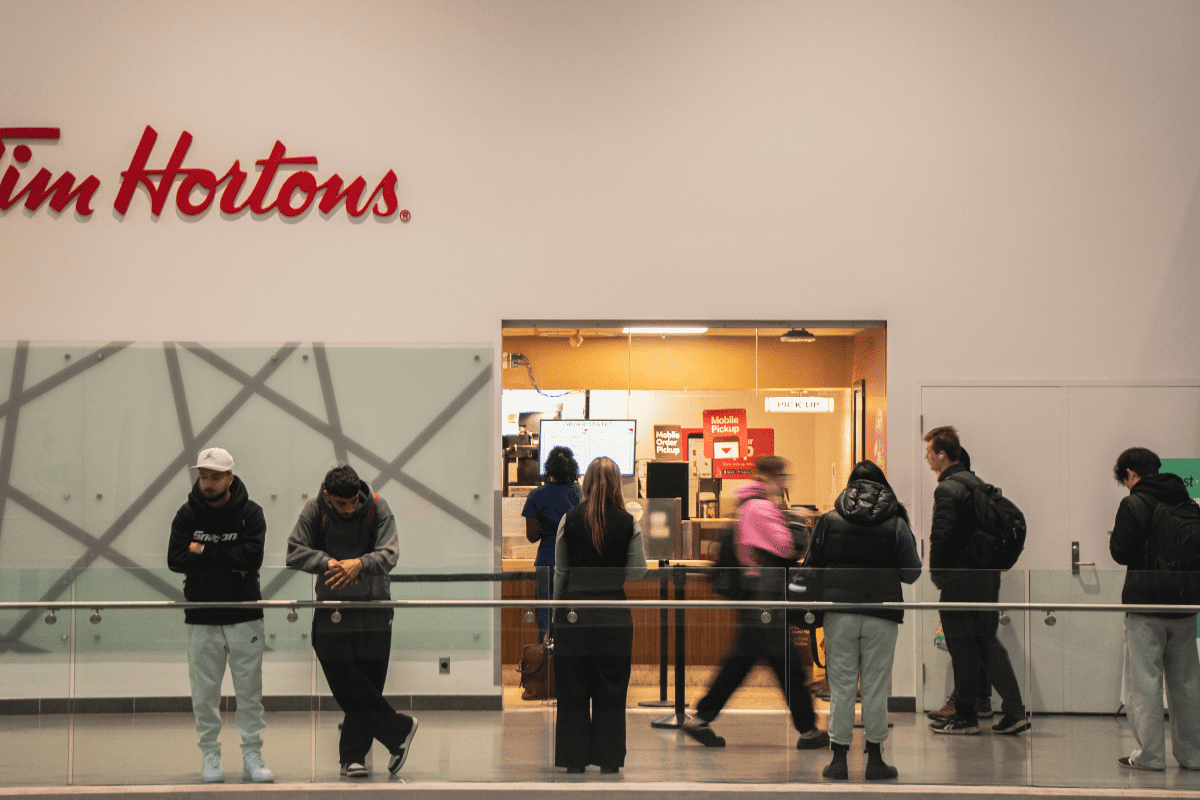
For students willing to experiment, whether that means trying different types of beans, brewing at home or visiting local roasters, coffee can become more than standing in the Tim Hortons line between classes. It can turn into a small daily ritual that makes busy student life a little more meaningful.