NAIT’s suggested exceptional tuition increases face setbacks after NAITSA denied support for all proposed hikes.
The Government of Alberta has opened the process for “exceptional tuition increases,” (ETIs) which allows post-secondary institutions to increase domestic tuition above the allowed two per cent cap.
NAIT told the Nugget via email that they were proposing ETIs for a “limited number of programs following a comprehensive program review that began in spring 2025.” NAIT was not available for an interview.
Consultation for the ETIs began in October and continued through November.
NAIT invited “nearly 2,000 students” across the impacted programs to share their feedback.
The institute also consulted with NAITSA, “ensuring transparency and keeping student perspectives central to the process.”
When asked how many students participated in the feedback process, NAIT did not answer. The Nugget also asked what students’ feedback was on the proposed increases, and NAIT did not answer.
The Nugget could not confirm the final list of proposed ETIs. NAIT said via email that they are “not in a position to confirm specific programs lists or tuition increases at this time” because they are still in consultation and no final decisions have been made.
“We are committed to transparency and will share confirmed details with students and the broader community as soon as they’re finalized through the appropriate channels,” the email said.

A document sent to students in November proposed 15 programs with an average increase of 77 per cent. A presentation shared by NAITSA External Relations Director Jason Roth at NAITSA’s Dec. 3 Senate Meeting showed 20 programs with an average increase of 82 per cent.
ETIs one avenue to ‘safeguard long-term financial sustainability’ and sustain ‘quality program delivery’
NAIT said the programs they’ve suggested have “significant gaps” between tuition and costs, and the proposed “curriculum, capital and technology updates” would help NAIT ensure the institution can “maintain program quality, sustainability, and competitiveness for graduates.”
They did not confirm how any additional tuition revenue from these ETIs would be spent if approved but said that it may be spent on “upgraded technology, modernized equipment, expanded hands-on learning opportunities.”
When asked what percentage of the additional tuition revenue would go directly to student-facing improvements, NAIT did not answer.
NAIT is forecasting lower international student enrolment due to increased restrictions from the Government of Canada, which means the revenue from international student tuition would drop.
“NAIT needs to explore ETIs as one mechanism to safeguard our long-term financial sustainability while also sustaining quality program delivery,” they said. They are also focused on “growing revenue in new ways” through their RISE (Resilience, Innovation, Sustainability, Engagement) project.
NAITSA ‘can’t stand behind’ increases
“The continued reliance on tuition increases as a funding mechanism disproportionately shifts financial pressure on students, who are facing increased affordability issues,” Lilly Houcher, NAITSA President, told the Nugget. “As the student voice, we can’t stand behind that and say we’re okay with it.”
In 2024/25, 38 per cent of NAIT’s revenue came from student tuition and fees — up 7 per cent since 2023/24. NAIT had a total revenue of $449,061,000 according to their 2024/25 Annual Report, with $170,801,000 from student tuition and fees.
Domestic tuition currently accounts for 12.3 per cent of NAIT’s overall revenue, at $55,481,000. International tuition accounted for 18.6 per cent, at $83,647,000.
“ETIs would further accelerate this trend, and at a time when affordability is already a substantial barrier to access,” says Houcher. “Being close to 40 [per cent], it’s too high, and students have paid their fair share.”

NAIT still reviewing feedback
Houcher wasn’t sure what NAIT’s next steps were but said NAITSA is under the impression NAIT will still apply for some ETIs.
For a student-approved ETI, both NAIT and NAITSA would need to jointly submit a proposal to the Advanced Education Minister. With NAITSA’s refusal to support the current proposals, NAIT could move forward with a quality-based ETI proposal — though they told the Nugget they proposed both student-approved and quality-based ETIs to NAITSA.
“It’s hard to actually see at the end of the day where the money is going unless we can see tangible changes in these programs”
For quality-based increases, NAIT doesn’t need support from the students’ association. The only requirement beforehand is to consult with NAITSA. If approved, any revenue generated would need to go directly to improving program quality. The same restrictions on spending do not apply for student-approved ETIs.
Houcher says that it could be challenging to hold NAIT accountable to using any additional revenue from ETIs directly for a program.
“It’s hard to actually see at the end of the day where the money is going unless we can see tangible changes in these programs,” says Houcher. “It’s really hard for us to grasp a number and a percentage as well, but they did propose a lot of quality improvements, so I have hope that’s where the money would be going.”
NAIT says they are still reviewing their next steps and that nothing has been decided yet.
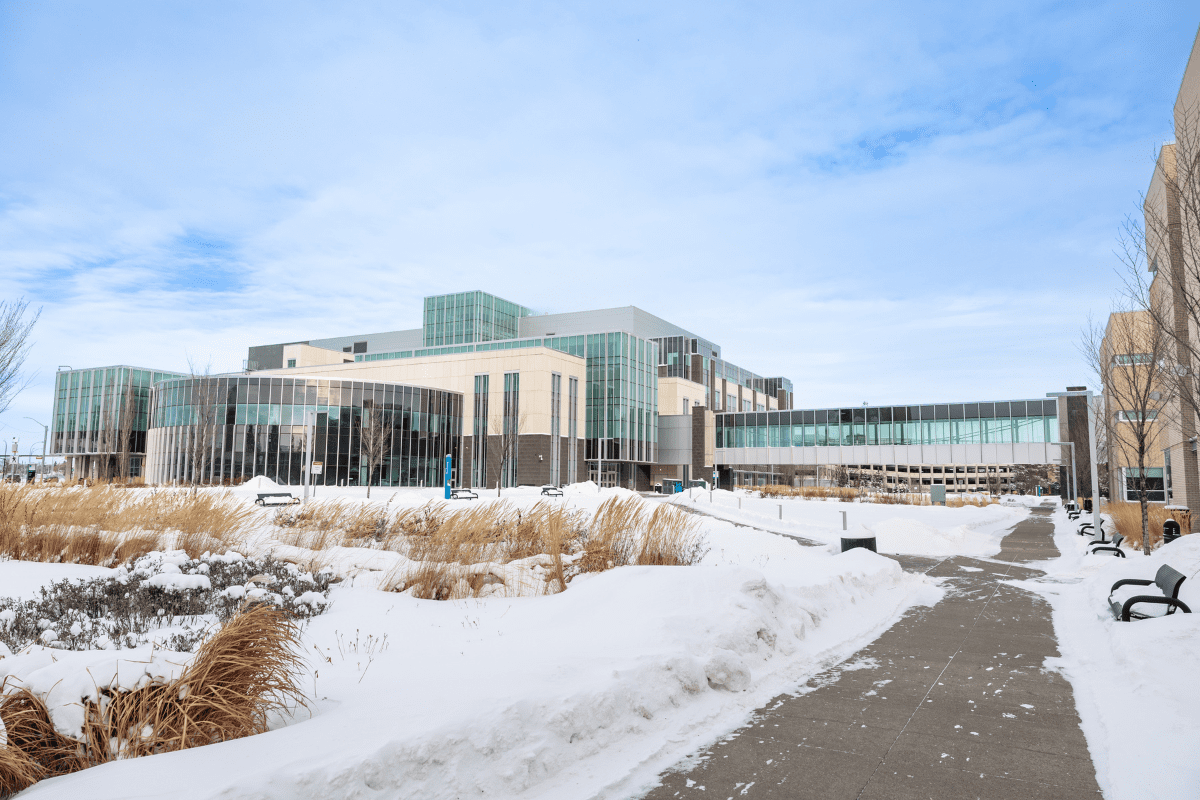
Feature image via NAIT Content Collective