Sustainability Spotlight is a collaboration between the Nugget and NAITSA’s Sustainability Committee. Each month, the committee interviews a sustainability expert to learn more about their journey.
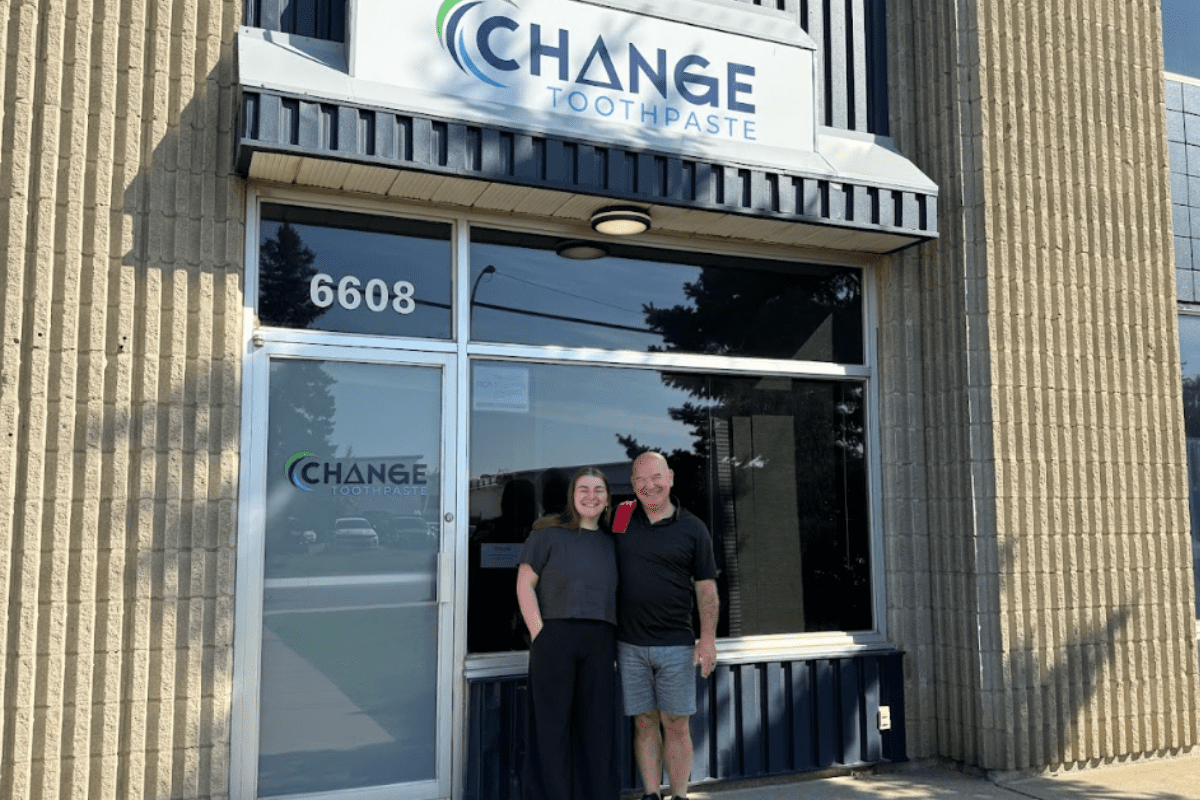
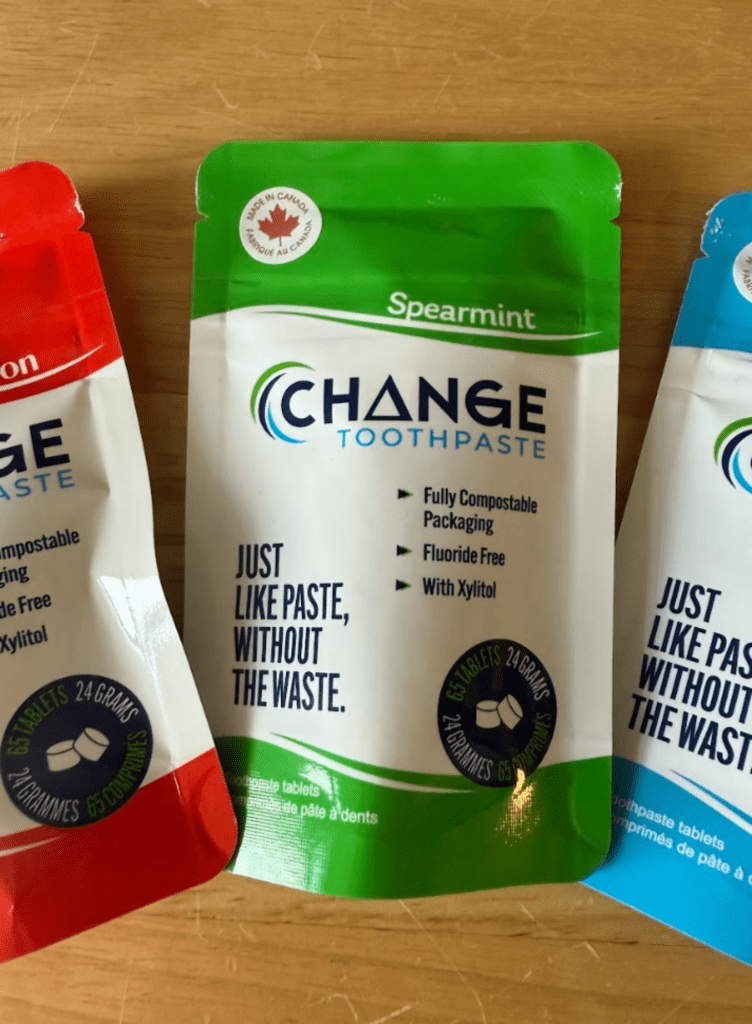
This month features Mike Medicoff, founder of Change.Toothpaste. Medicoff and his family created toothpaste in tablet form, aiming to reduce plastic waste.
Answers have been edited for clarity and space.
NAITSA Sustainability Committee: What inspired you to start a sustainability-focused business?
Mike Medicoff: I was a stay-at-home dad at the time, and Syd, she brought me this advertisement for Bite Toothpaste, which is one of the first to make a tablet, and said “Dad, I think we should bring this in, because there’s a problem with the tube.”
I said, sure, we’ll see what this is all about. It took about 11 weeks to get here, and over the course of a year for a family of four, it was like $1,400. Sustainability is important, but it can’t be a mortgage payment. So, in her wonderful, sustainable mind she’s like, “Well, let’s make our own.”
We did a deep dive into all the ingredients in commercial toothpaste and natural toothpaste, took that to our dentist and said, “This is what we’re thinking of doing. What do we need?” Most of this stuff is preservative that keeps the paste from going bad in the tube. We got it down to eight ingredients.
And so, then we were able to form a tablet. The recipe took 119 formulations to get the one with a really good flavour profile. And that’s the one we’re still currently using.
NSC: Can you walk us through the life cycle of your tablets?
MM: So, the packaging didn’t start out as our compostable pouch. This was a second iteration. We were using craft packaging. We had the tablet and we were looking for a shipping method. Canada Post is a restrictive type of shipping method, but if we put the tablets in a flat pouch, it can go in letter mail, making it less expensive for the customer and fit into their sustainability model. Our pouch looks plastic, it does, but it’s more compostable than the craft packaging.
NSC: What’s the biggest challenge you faced as a sustainability-focused business?
MM: The supply chain is probably our number one obstacle because of the balancing of buying things that are reasonably priced. When we source out everything, we try local first, and then it’s Alberta, then it’s Canada, then it’s North America, then it’s the rest of the world. To be able to balance what our needs are, the cost of it, the footprint to get it back here, all of those things are taken into account.
If I find a local manufacturer of something and I need a pallet of it, they’re wrapping the pallet in plastic, or the packaging of it isn’t as sustainable as we would like.
So then, although they may be in plastic, it’s still reducing plastic for the rest of the customers, because it’s not everyone who’s buying that plastic, we’re just buying it in a bigger amount to kind of save everyone, if that makes sense.
NSC: How do you ensure that your supply chain aligns with your values?
MM: A lot of research, a lot of questions. It’s that balance of, yes, the pallet comes wrapped in plastic, but is there another way you can wrap the pallet?
That’s the deep dive, a lot of research on what we need and who supplies that. You interview each company and say, “What is your standpoint of this, this, this and this?” To be honest, most of them couldn’t care less. The biggest problem is there’s a couple of websites that talk about their sustainability on an objective view. So we look at those things and it’s balancing. Is this a dollar per unit or is this $20 per unit? If it’s $10, but you’re more sustainable, then we’ll take a chance there.
NSC: Recently, you released a statement saying that contrary to what you were led to believe, the flosser cakes that you were selling were not fully compostable. So what was the feedback that you received from your customers there?
MM: Surprisingly positive. It was very overwhelmingly supportive and understanding. I was really nervous when we released that because it was heartbreaking when we found out. I hated feeling like we let people, our customers down and especially those who have supported us for so long.
It’s really clear how far transparency and communication goes with customers. If you talk about it as soon as it happens, then there’s kind of no room to be super upset because we were hoping for the best and we’ve made the change.
To learn more about Change.Toothpaste and shop their products, visit their website. Catch up on other Sustainability Spotlight interviews on Ooks Life.
Featured image via Change.Toothpaste